
5 ⭐ RATED ON GOOGLE
Vancouver, WA’s #1 Mold Removal and Remediation Company
We contain the mold, remove the affected materials, clean the air with HEPA scrubbers and track down the moisture that caused it, so the growth doesn't come back.

Mold Removal and Remediation Services You Can Trust in Vancouver, WA
Mold remediation begins with understanding why materials stayed damp. A plumbing leak, roof intrusion, condensation or moisture in a crawl space or wall cavity can support growth behind finishes before it becomes visible. BlueX Restoration provides mold removal and remediation in Vancouver, WA, assessing affected materials and the moisture conditions that allowed the problem to develop.
Cleaning a visible patch without addressing moisture is not a complete solution. We plan containment where appropriate, evaluate materials for removal or cleaning and explain the moisture corrections needed alongside remediation. Mold assessments and remediation are scheduled services. An active water leak is a separate water emergency and should be addressed promptly.
NO TIME TO CALL? SEND US A FORM!
Reach out at (360) 970-0619 or send a message through the form below and our team will respond promptly to help with your restoration needs.

Scheduled Mold Removal and Remediation With a Clear Plan
Seeing spots or smelling something musty in your Vancouver home? Call or message us and we'll ask a few questions, explain what the job will likely take and arrange an appointment for an inspection. Active water emergencies are handled separately through our 24/7 water damage team, so call right away if a leak is still running.

Licensed, Bonded and Insured.
Fully licensed, bonded and insured, with proper containment and HEPA filtration on every mold job.

Experienced Restoration Professionals
We've removed mold from crawl spaces, attics, bathrooms, closets and wall cavities, and we know how to trace growth back to the moisture causing it.

Family Owned and Serving Clark County
We're a local, family owned Vancouver team serving homes and businesses across Clark County and Portland with dependable restoration and remodeling results.
SIGNS IT'S TIME TO CALL
When Should You Call a Mold Removal and Remediation Company in Vancouver, WA?
1. Visible Mold on Walls, Ceilings or Trim in Vancouver, WA
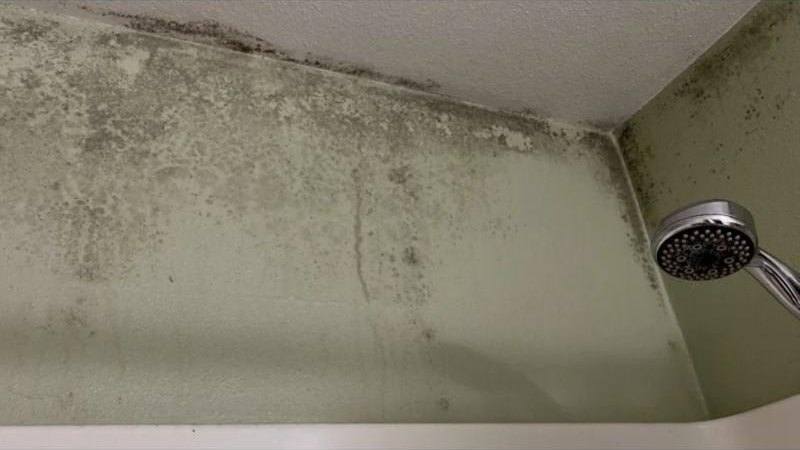
Dark spots on drywall, fuzzy patches on a window sill or speckled growth along the baseboards mean mold has found enough moisture to grow. What you see is often only part of it, since mold can spread behind the wall or under the flooring. Scrubbing it yourself can send spores into the air and into other rooms. Call a mold remediation company to contain the area, remove the growth and find the moisture behind it.
2. A Musty Smell in Your Vancouver Home or Crawl Space
That earthy, musty smell is often the first sign of mold you can't see yet. Crawl spaces stay damp because they sit right on the soil, and a slow plumbing leak in a newer home can keep flooring and baseboards wet without any visible water. If the smell lingers after you clean and air the space out, we use moisture meters and thermal imaging to find where the dampness and growth are hiding.
3. Mold After a Leak or Water Damage in Vancouver, WA
Mold can start growing within 24 to 48 hours on materials that stay wet. A slow leak under a sink, a roof leak that soaked the insulation, or a flooded room that wasn't dried properly can all lead to growth weeks later. If you've had water damage and now notice spots, staining or a musty odor, call us. We remove the mold, dry the area completely and make sure the original leak has been fixed.
4. Attic Mold From Roof Leaks or Poor Ventilation in Vancouver, WA
Attic mold often shows up as dark staining on the underside of the roof deck. It usually comes from a roof leak, a bathroom fan that vents into the attic instead of outside, or warm, moist air from the house condensing on cold roof sheathing in winter. We contain the attic, clean or remove the affected materials and point out the ventilation or leak problem so it can be corrected.
5. Mold That Keeps Coming Back in Your Vancouver Home
If you've cleaned the same spot more than once and the mold keeps returning, the moisture problem hasn't been solved. It might be a hidden plumbing leak, condensation on cold surfaces, poor airflow in a closet or bathroom, or ground moisture coming up from a crawl space. We find the cause with moisture readings and inspection, remove the growth and help you fix the conditions so it stops coming back.
6. Mold Found During a Home Sale or Inspection in Vancouver, WA
Home inspections often turn up mold in crawl spaces, attics and bathrooms, and it can hold up a sale if nobody knows what it will take to fix. We inspect the area, explain what we see and put the remediation scope in writing. Then we contain the area, remove the mold, address the moisture source and document the work, so buyers and sellers both have a clear record of what was done.
What's Our Process Like for Mold Removal and Remediation in Vancouver, WA?
Assess growth and the moisture source
Tell us where you see discoloration or smell a persistent musty odor, and whether the area has a history of leaks. We assess visible conditions and damp materials to establish the work scope. Appearance alone does not identify mold species. Formal sampling, when required for a transaction or other purpose, should be discussed separately.
Plan containment and protect clean areas
Disturbing affected materials can release particles into nearby spaces. The remediation plan considers the work area, access routes and ventilation pathways. Containment and filtration are selected according to the scope so removal does not unnecessarily spread debris into unaffected rooms.
Remove or clean affected materials
Porous materials with growth may require removal when they cannot be adequately cleaned. Remaining structural surfaces are evaluated and cleaned using methods appropriate to their condition. We explain what needs to come out before removal begins. Painting over growth or spraying a fragrance does not replace remediation.
Dry the area and explain prevention
Drying and moisture control are part of the work, not optional finishing steps. A roof, plumbing or ventilation defect may need another qualified contractor. We explain remaining corrections and review the remediated area. No process can guarantee mold never returns if the moisture conditions return.
Our Mold Remediation Response Includes
- Moisture mapping with meters and thermal imaging
- Containment to keep spores out of clean rooms
- HEPA air scrubbing throughout the job
- Removal of moldy drywall, insulation and pad
- Cleaning and HEPA vacuuming of framing and subfloors
- A clear plan to fix the moisture source
Licensed, Bonded and Family Owned in Vancouver, WA
BlueX Restoration is licensed, bonded and insured, and mold remediation is one of the core things we do. Our long, wet Pacific Northwest winters give mold plenty to work with, especially in crawl spaces, attics, bathrooms and behind cabinets. When you call, tell us where you're seeing it and how long it's been there, and we'll plan the job around what we find.
Recurring growth needs a moisture plan
If growth returns around the same window, bathroom wall or closet corner, the cause may still be active. Condensation, a slow leak or poor drainage can remain even after a surface looks clean. Track when the area feels damp and tell us about earlier repairs. That information is more useful than repeatedly treating the visible spot.
Still have water coming in? Start with our water damage restoration in Vancouver, WA, or talk with our team about the mold you're seeing.
Get a Quote Today!
Mold Removal and Remediation FAQs in Vancouver, WA
The most common signs are visible growth, a musty smell and recent water damage. Look for dark or fuzzy spots on walls, ceilings, window sills and closets, and check under sinks, behind toilets and in the attic or crawl space. A smell that lingers after cleaning is a strong clue that mold is growing somewhere you can't see. If you've had a leak in the past few months, have the area checked even if it looks fine. We use moisture meters and thermal imaging to find hidden moisture.
For a very small spot on a hard surface, maybe, but bleach is not a fix for real mold growth. Bleach doesn't reach mold that has grown into porous materials like drywall and wood, and it leaves moisture behind on the surface. Scrubbing or spraying mold can also release spores that settle in other rooms. Most importantly, cleaning doesn't stop the moisture causing the growth. If the area is larger than a small patch, or keeps coming back, it needs containment, proper removal and a fix for the moisture.
Containment is how we keep mold from spreading while we remove it. We seal off the work area with plastic sheeting, cover doorways and vents, and use equipment to create negative air pressure, so air flows into the containment instead of out into the rest of the house. Removing mold disturbs it and releases spores, so without containment, a remediation job can spread the problem to clean rooms. It's one of the biggest differences between professional remediation and a homeowner with a spray bottle.
It filters the air in the work area while we remove the mold. A HEPA air scrubber pulls air through a high efficiency filter that captures very fine particles, including mold spores and dust, and exhausts the filtered air. We run them inside the containment so the particles stirred up during removal are captured instead of drifting around. We also use HEPA vacuums on framing and surfaces after removal, so the area is clean before the containment comes down.
Because it's damp for much of the year, and mold loves moisture. From fall through spring, steady rain and cool temperatures keep crawl spaces, attics and closets damp, and wet materials barely dry on their own. When a leak or small flood happens in July or August, wet drywall, framing and carpet dry more slowly on their own and can stay damp long enough for mold to take hold. Fast drying after water damage and dehumidifiers in damp areas make a big difference here.
Crawl spaces sit right on the ground, so moisture from the soil rises into them all year. Many have bare dirt, a torn or missing vapor barrier, poor drainage or blocked vents, so moisture from the soil and the rain has nowhere to go. Heavy rain can also send runoff under the house when gutters and grading don't carry it away. We remove the mold from the joists and subfloor, take out wet insulation, and show you what needs to change, like a new vapor barrier or better drainage, to keep the space drier.
We treat it like any other contained remediation, with a little more demolition. Mold behind walls and cabinets often grows on the back of drywall, under carpet pad and on the bottom plates of framed walls, where water from a slow leak or a past flood sat unnoticed. We contain the area, cut out the affected drywall and insulation, remove wet carpet and pad, and clean and dry the framing. We also look for the water source, like a plumbing leak, a dishwasher line or a window that lets rain in.
Usually a roof leak or trapped moisture from the house. Bathroom and kitchen fans that vent into the attic instead of through the roof push warm, wet air up there all year. That moisture, plus condensation from ducts and HVAC equipment in a hot attic, can lead to staining and mold on the roof deck. Blocked soffit vents and poor airflow make it worse. We contain the attic, remove or clean the affected wood and insulation, and point out what needs to be fixed by a roofer or other contractor.
Not always. When mold is visible and the moisture source is known, testing usually doesn't change what needs to be done: contain it, remove it and fix the moisture. Testing can help when you smell mold but can't find it, or when someone in the home has a specific concern. Some homeowners hire an independent indoor environmental professional for testing so the results come from a third party. We inspect with moisture meters and thermal imaging to find where the problem actually is.
Removal is one step, and remediation is the whole job. Mold spores exist naturally almost everywhere, indoors and out, so no one can make a house completely free of them. Remediation means containing the area, removing the growth and affected materials, cleaning the remaining surfaces, filtering the air and fixing the moisture that caused the problem. The goal is to bring the area back to normal conditions, not to promise a spore free house. Anyone who promises that isn't being straight with you.
Not if the moisture problem is solved. Mold needs water to grow, so the remediation only lasts if the leak, condensation or ground moisture behind it gets fixed. That's why we spend as much time finding the source as we do removing the mold. We tell you exactly what caused it and what needs to change. Running bath fans, keeping indoor humidity in check during the rainy months and fixing leaks quickly go a long way toward keeping the area clean.
In most cases it has to come out. Drywall is porous, and mold grows into the paper facing and the gypsum core, so surface cleaning won't reach it. The same goes for carpet pad and most insulation. We cut out the affected drywall plus a margin around it, bag it inside the containment and remove it. Hard materials like framing, concrete and many subfloors can usually be cleaned and kept, which helps keep the repair smaller.
No. Paint over mold doesn't kill it or stop it from growing, and the growth will usually come back through the new paint as stains or bubbles. It also hides the problem from the next person who looks, including a home inspector. Even mold resistant primers are only meant for clean surfaces after remediation is done. The mold needs to be removed properly and the moisture source needs to be fixed before anything gets painted.
Most residential jobs take a few days. A small area in one bathroom or closet might take a day or two, while a whole crawl space, a large room or an entire attic can take several days, depending on how much material has to be removed and how much drying is needed. Repairs like new drywall or insulation come after remediation and depend on your contractor. We give you a realistic timeline after the inspection and keep you updated as we go.
Usually, yes. Because we contain the work area and keep it under negative pressure with HEPA air scrubbers, most families stay in the house and simply avoid the containment area. For larger jobs, or when the work is in a main living area, staying somewhere else for a few days can be easier. If anyone in your home has health concerns about mold, talk with your doctor about whether to stay elsewhere. We'll explain the setup and what to expect before we start.
It depends on what caused the mold and what your policy says. Many policies consider mold that results from a sudden covered water loss, like a burst pipe, while excluding or limiting mold from long term leaks, humidity or poor maintenance. Some policies cap mold coverage. Your insurance company makes the final decision. We document the mold, the moisture readings and the cause with photos and a written scope, and we help with the paperwork so your adjuster has what they need.
Color alone doesn't tell you much. Many different molds look black or dark green, and you can't identify a species by looking at it. We don't make health judgments about mold, and if you have health questions, your doctor is the right person to ask. What we can tell you is that any mold growing indoors should be contained and removed the same careful way, no matter its color, and the moisture that caused it needs to be fixed.
Yes. We handle mold remediation for landlords, property managers and businesses as well as homeowners, including apartments, offices, retail spaces and warehouses. We contain the work area so tenants, staff and customers can often keep using the rest of the building, and we work around your schedule where we can. You get photos, readings and a written scope for your records. Call (360) 970-0619 and we'll set up an inspection.
There Are Plenty of Mold Removal and Remediation Companies in Vancouver, WA

We Find the Moisture First
Mold is a symptom of a water problem. We use moisture meters and thermal imaging to find the source, so the remediation lasts instead of just covering up the growth.

Real Containment on Every Job
We seal off the work area and run HEPA air scrubbers, so the mold we disturb during removal stays inside the containment and out of the rest of your home.

Honest Answers, No Scare Tactics
We tell you what we found, what needs to come out and what doesn't. No inflated scope and no pressure to approve work you don't need.

A Local Team You Can Call
We're family owned and based right here in Vancouver. When you call, you talk to people who know the crawl spaces, older homes and rainy winters of Clark County.
Based in Vancouver, WA
We're based in east Vancouver near Five Corners, and we serve homes and businesses across Clark County and Portland, including Orchards, Hazel Dell, Salmon Creek, Felida, Camas, Washougal, Battle Ground, Brush Prairie, Ridgefield and La Center.

We're Available 24/7 for Any Mold Removal and Remediation Need in Vancouver, WA
Contact Us Today!
For more information about our services or to set up an appointment, call us at (360) 970-0619 or send a request through the contact form and our team will get back to you as soon as possible.