Why burst pipes hit Vancouver homes so hard
Vancouver doesn't see hard freezes very often, and that's exactly why a cold snap catches so many homeowners off guard. When an arctic blast or an ice storm rolls through Clark County, pipes in crawl spaces, garages, attics and exterior walls are the first to freeze. Many of those pipes were never insulated because, most winters, they never needed to be. When the water inside freezes, it expands, and the pipe can split. Often nothing happens until the thaw, when water suddenly starts pouring out of the crack.
Burst pipes aren't only a winter problem. Old galvanized lines corrode from the inside, plastic supply lines under sinks crack with age and fittings work loose over time. In older neighborhoods near downtown Vancouver and in many of the ranch homes built in the 1960s and 1970s, original plumbing is now 50 years old or more. Whatever the cause, the steps you take in the first hour make a big difference in how much damage you end up with.
Step one: keep everyone safe
Think about safety first. If water is near outlets, power strips, appliances or light fixtures, don't walk through it. If you can reach your electrical panel without stepping in water, turn off power to the affected area. If you can't reach it safely, stay out and call a licensed electrician or your utility. Watch for sagging ceilings, too. A ceiling that is bulging with water can come down without warning, so keep people and pets out of the room underneath it.
Step two: shut off the water
Find your main water shutoff and turn it off. In most Vancouver homes, the main valve is where the water line enters the house, often in the crawl space, the garage, a utility closet or near the water heater. Some homes also have a shutoff at the street in the meter box, but that usually needs a special key. If the break is on a single fixture, like a toilet supply line or a line under the kitchen sink, you may be able to close the small valve right there instead.
Step three: document the damage
Once the water is off and the area is safe, take photos and video of everything. Get wide shots of rooms and close ups of damaged flooring, walls, ceilings, cabinets and belongings. Photograph the broken pipe if you can see it. Keep any damaged parts the plumber removes. Your insurance adjuster will want to see the damage as it was, before cleanup started, and good photos make that conversation much easier.
Write down when you found the leak and what you did. If you know roughly when the pipe broke, note that too. Many homeowners policies treat sudden, accidental water damage differently from slow, long term leaks, so the timeline matters.
Step four: call a plumber and a restoration company
A plumber fixes the pipe. A restoration company deals with the water that already got out. You usually need both, and the sooner the drying starts, the better. Water keeps moving after the pipe stops leaking. It wicks up drywall, soaks into insulation, seeps under flooring and settles into subfloors and crawl spaces. In our damp Pacific Northwest climate, wet materials don't dry out on their own the way they might somewhere warmer and drier.
BlueX Restoration answers the phone 24 hours a day at (360) 970-0619. We're a family owned company based in Vancouver, and we handle water damage restoration in Vancouver, WA, from water extraction and structural drying to the repairs that come after. When you call, we'll ask a few questions about what happened and get moving toward your home.
What not to do after a burst pipe
Don't use a household vacuum to pick up water. Regular vacuums aren't built for it and can create an electrical hazard. Don't use space heaters, hair dryers or open flames to dry things out. They don't reach the water trapped inside walls and floors, and they can create a fire risk. Don't paint over water stains or close up a wet wall, either. Covering a wet area traps moisture inside, which is how small leaks become mold problems weeks later.
How professional drying works
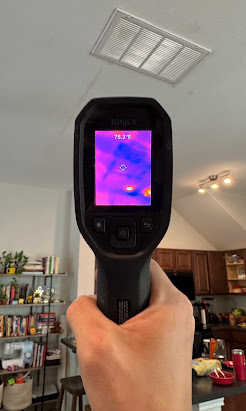
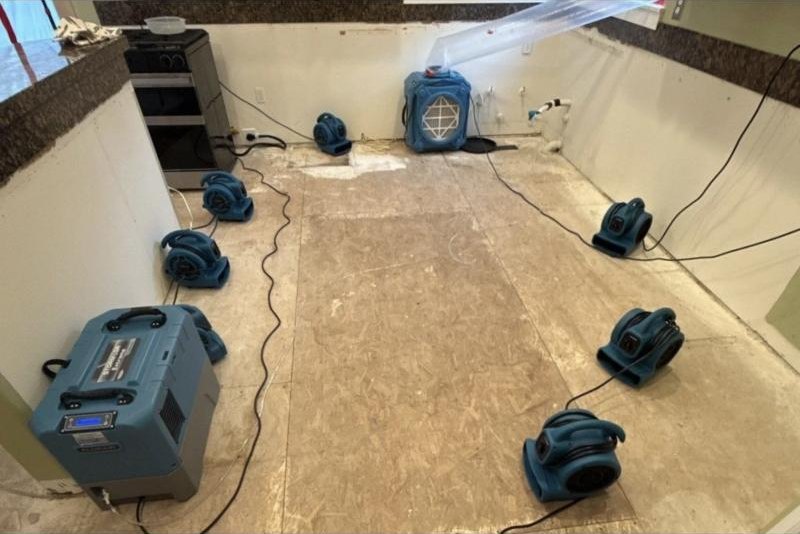
When we arrive, we start by finding out how far the water actually went. We use moisture meters and thermal imaging cameras to check walls, floors, ceilings and cabinets, because the wet area is almost always bigger than the visible puddle. Then we extract standing water, remove materials that can't be saved, such as soaked carpet pad or swollen particleboard, and set up commercial air movers and dehumidifiers.
We check moisture readings every day and adjust the equipment until the structure is dry. Drying usually takes several days, depending on how much water was involved, what materials got wet and how long the water sat before help arrived. Hardwood floors, thick subfloors and crawl spaces often take longer.
If you want to know more about how we find water you can't see, read our guide on how moisture detection finds hidden water damage.
Crawl spaces need extra attention
A lot of Vancouver homes sit over crawl spaces, and that's where burst pipe water often ends up. It can pool on the vapor barrier, soak the insulation stuffed between the floor joists and keep the subfloor wet for weeks if nobody checks it. Because crawl spaces are dark, cool and hard to see into, they're also one of the most common places we find mold after a leak. If your pipe broke anywhere near the floor, make sure the crawl space gets checked as part of the drying.
Will insurance cover a burst pipe?
In many cases, sudden and accidental water damage from a burst pipe is covered by a standard homeowners policy, while damage from long term leaks or poor maintenance often isn't. Every policy is different, and your insurance company makes the final decision. What we can do is document the loss with photos, moisture readings and a written scope of work, and we work directly with your adjuster so you're not stuck in the middle of the paperwork.
After the drying: putting your home back together
Once everything is dry, the repairs begin. That might mean new drywall, insulation, baseboards, flooring or cabinets. BlueX Restoration handles that part too. Our reconstruction team rebuilds what was removed, so you don't have to find a second contractor and explain the whole situation all over again.
How to prevent the next burst pipe
Insulate pipes in crawl spaces, garages and exterior walls. Disconnect garden hoses before the first freeze and cover outdoor spigots. During a cold snap, keep your heat on, open cabinet doors under sinks on outside walls and let a faucet drip on the coldest nights. Close crawl space vents during freezing weather and open them again when it warms up. Replace old supply lines under sinks and toilets every few years, and have aging galvanized plumbing looked at by a licensed plumber.
Call BlueX Restoration for burst pipe water damage in Vancouver, WA
A burst pipe is stressful, but you don't have to handle it alone. BlueX Restoration serves Vancouver, Camas, Washougal, Battle Ground, Ridgefield, Hazel Dell, Salmon Creek, Orchards and the rest of Clark County, plus Portland. Call (360) 970-0619 any time, day or night, or request a free inspection online. We'll get the water out, dry your home properly and help you put it back together.